

Call us now
08045804872
Call us now
08045804872
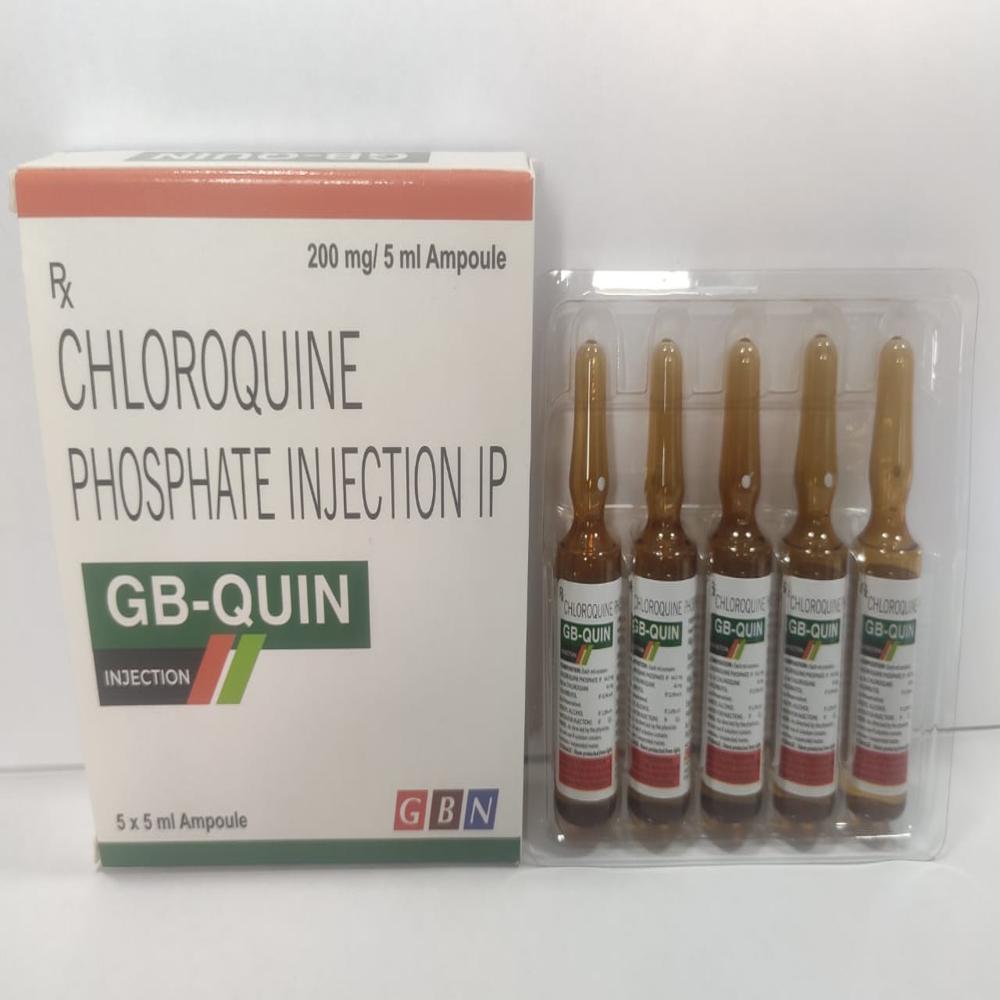
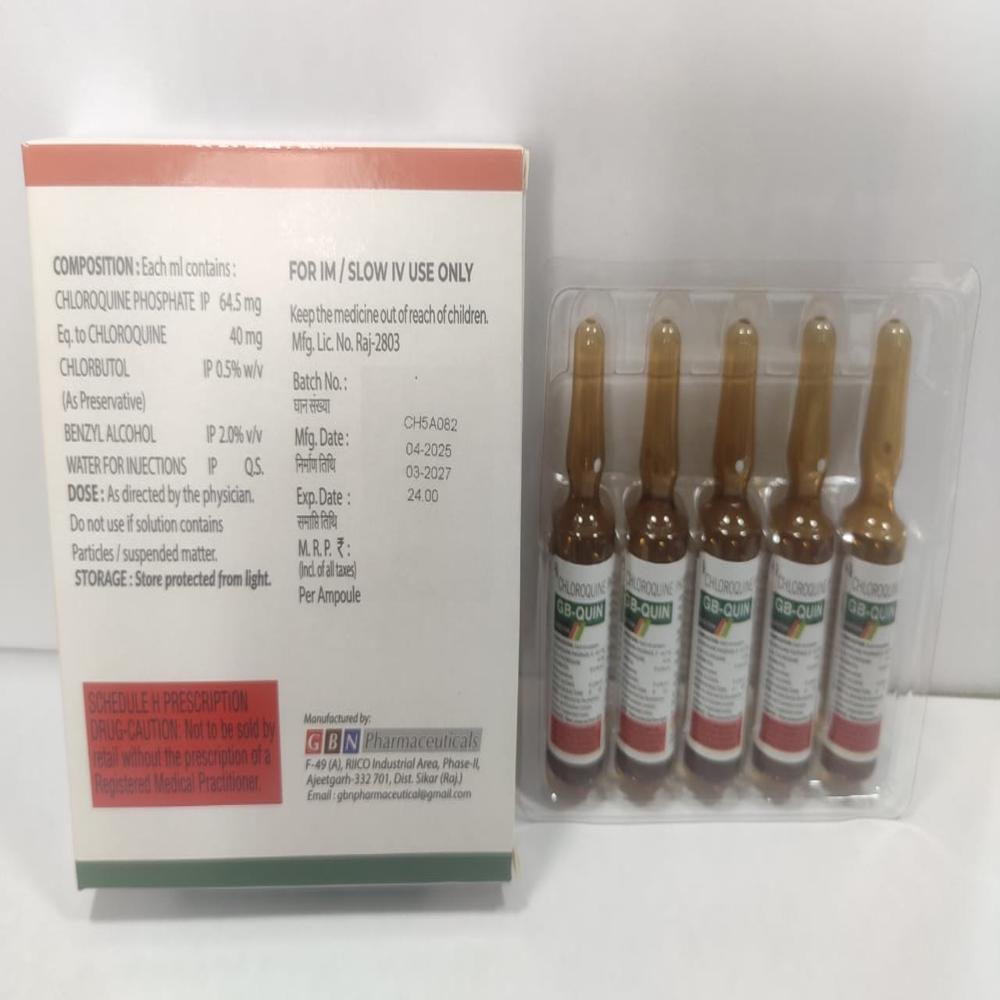
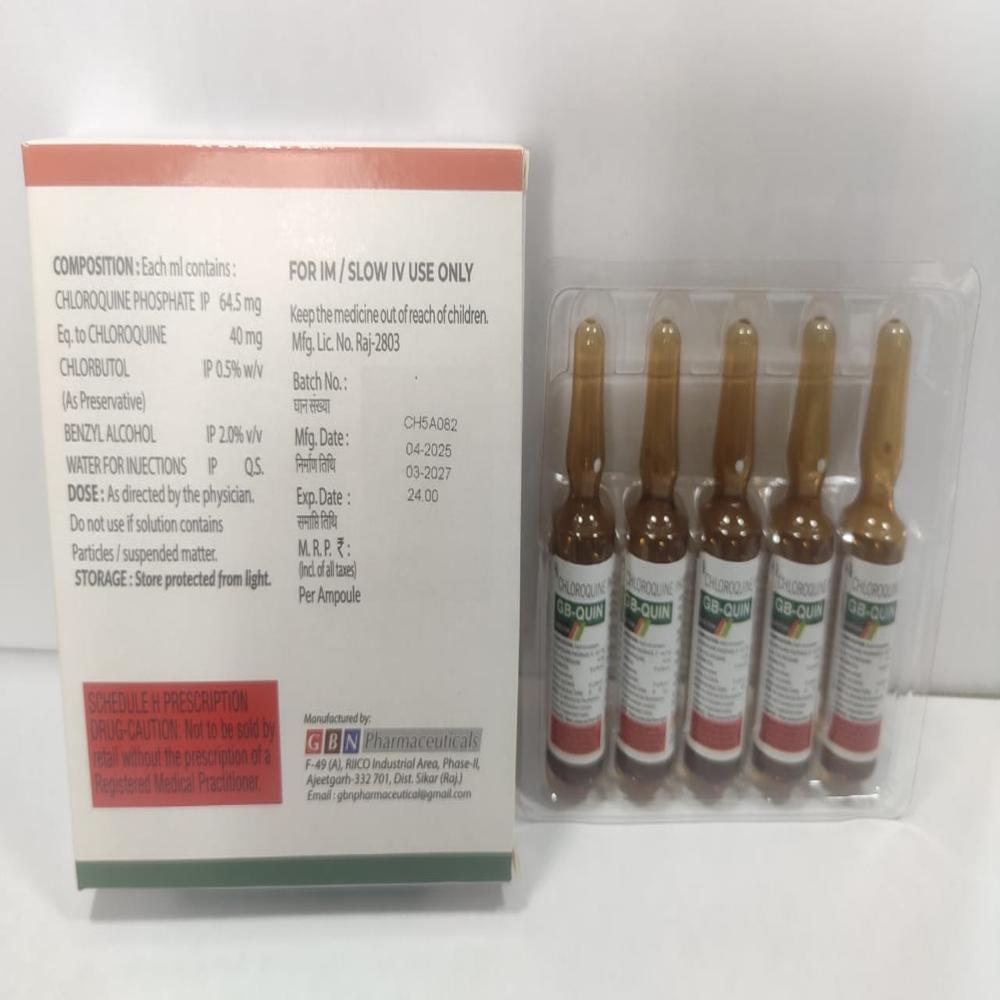

Price:
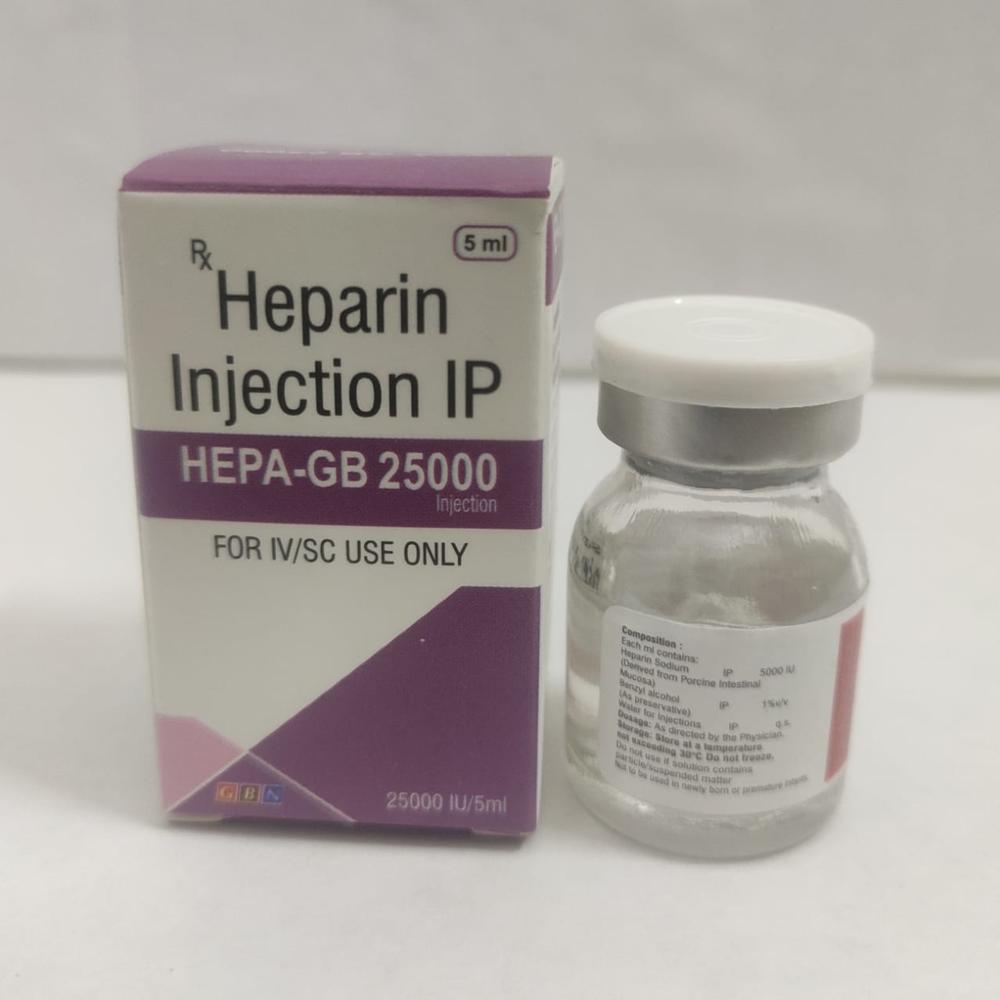
Price 86.0 INR / Unit
Minimum Order Quantity : 10000 Units
Packaging Type : 5ML
Ingredients : Animal Extract
Brand Name : GBN Pharmaceutical
Drug Type : Injection
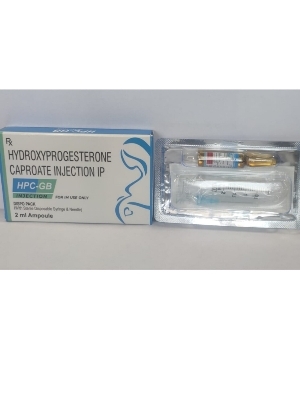
Price 17.5 INR / Unit
Minimum Order Quantity : 10000 Units
Packaging Type : 2ML DISPO
Brand Name : GBN Pharmaceutical
Drug Type : Injection
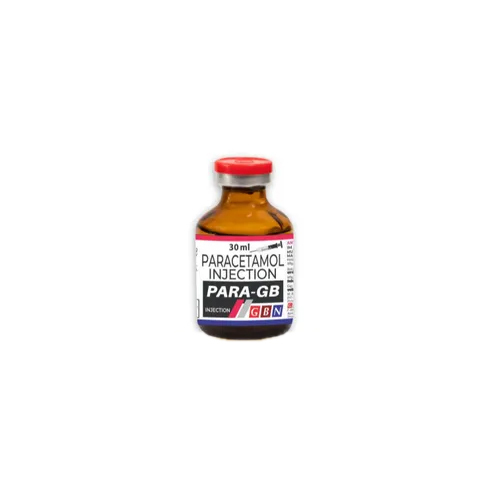
Price 13.5 INR / Unit
Minimum Order Quantity : 1000 Units
Packaging Type : 30ML
Ingredients : Animal Extract
Brand Name : GBN Pharmaceutical
Drug Type : Injection
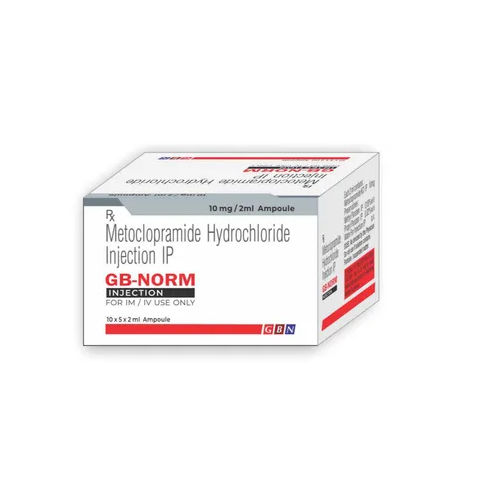
Price 9.0 INR / Unit
Minimum Order Quantity : 10000 Units
Packaging Type : 1ML DISPO
Ingredients : Metoprolol Tartrate Injection (commonly branded as Lopressor) is a cardioselective beta1 adrenergic receptor blocker used for the immediate treatment of cardiovascular conditions. Description and Composition Active Ingredient: Metoprolol tartrate, USP. Form: A sterile, clear, colorless, preservativefree solution for intravenous (IV) administration. Strength: 1 mg of metoprolol tartrate per 1 mL of solution. Inactive Ingredients: Sodium chloride (for isotonicity) and water for injection. pH: 5.0 to 8.0. Indications and Usage Metoprolol IV is used in a hospital or emergency setting for: Acute Myocardial Infarction (Heart Attack): To reduce cardiovascular mortality in hemodynamically stable patients. Arrhythmias: To treat rapid heart rate, such as supraventricular tachycardia. Perioperative Tachycardia: To control heart rate during anesthesia. Mechanism of Action Metoprolol is a selective 1adrenoreceptor blocker. It works by: Slowing Heart Rate: Reduces resting heart rate (negative chronotropic effect). Lowering Blood Pressure: Decreases systolic blood pressure. Reducing Contractility: Decreases how hard the heart muscle contracts (negative inotropic effect), thus lowering oxygen demand. Contraindications This medication should not be used in patients with: Heart rate < 45 beats/min. Second or thirddegree heart block. Significant firstdegree heart block. Systolic blood pressure < 100 mmHg. Moderatetosevere cardiac failure. Side Effects Common side effects include: Cardiovascular: Bradycardia (slow heart rate), hypotension (low blood pressure), dizziness. Other: Fatigue, cold extremities, shortness of breath, or diarrhea
Brand Name : GBN PHARMACEUTICAL
Drug Type : Injection



 Send Inquiry


 Send Inquiry


